

Chairperson: Dr. Niamh Power is a 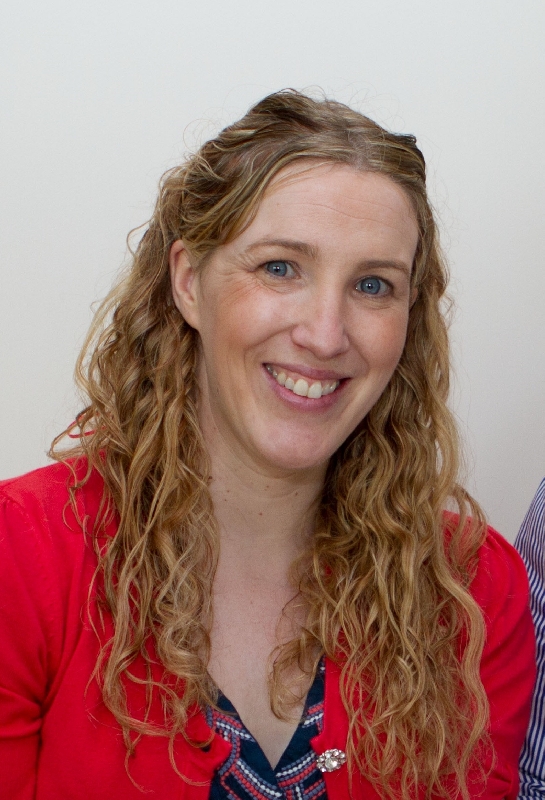 Lecturer in Civil, Structural & Environmental Engineering, in Munster Technological University. After her Civil & Structural Engineering degree, she was awarded the Irish Research Scholarship to pursue her PhD in the area of biogas. Niamh is an active member of the Sustainable Infrastructure Research & Innovation Group at MTU. She is involved in EU funded projects including, ReNu2Cycle, Phos4You and ReNu2Farm and nationally funded projects e.g. InVEST on solar PVs in domestic settings funded through the SEAI. Her research interests include biogas, anaerobic digestion, renewable energy from wastes & crops, transport & CHP, LCA and policies & drivers for change (Email).
 Secretary: Dr Christopher Mc Eleney is a Lecturer at ATU Donegal. His research interests include the development of portable, cost-effective analytical sensors and methods for environmental analysis with an emphasis on sustainability and environmental stewardship. His work on modified screen-printed electrodes and electromagnetic nanoparticles was applied to detect elements in soil extracts for soil health monitoring. Further works were multidisciplinary and collaborative, incorporating robotics for orthophosphate analysis in environmental samples. Current projects include the investigation of the possible ecosystem services of seaweed (Email).
Honorary Treasurer: Dr. Thomae Kakouli-Duarte Dr. Thomaé Kakouli-Duarte is a lecturer in biosciences and a founding member and Director of Research in enviroCORE at South East Technological University. She received her PhD from the University of Reading (UK) and worked at Maynooth University on insect pest biocontrol, prior to joining ITCarlow. Thomaé has become an international expert in environmental nematology, leading on the international landmark book publication "Nematodes as Environmental Indicators”. She has been involved in nationally and EU funded projects (ReNu2Farm and ReNu2Cycle), mainly in the areas of ecotoxicology and environmental risk assessment. She has coordinated a COST Action submission in this area and steered several Association of Applied Biologists (UK) congresses (Email).
Honorary Editor: Dr. Caroline Wynne is an environmental scientist with a PhD in aquatic ecology. She is a Senior Aquatic consultant with the Environmental Protection Agency (EPA), having previously works for as a Senior Ecologist for RPS Group Ltd. She has expertise in Water Framework Directive assessment methods for lakes and rivers. Her research interests are applied in nature and have led to international collaborations through a Fulbright Scholar award. She tweets about her freshwater science work. (Email)
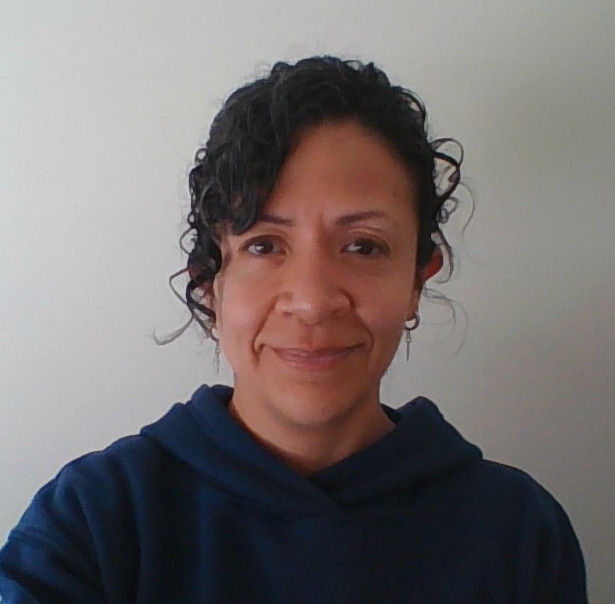 Communications Officer: Alejandra Vieyra-Ramirez is a PhD student at the South East Technological University. Her project focuses on developing a transdisciplinary approach to soil health in a built environment, incorporating environmental nematology, plant community analysis, and knowledge and experiences of stakeholders. As part of her research, she will also create a digital platform for knowledge exchange on soil health. (Email)
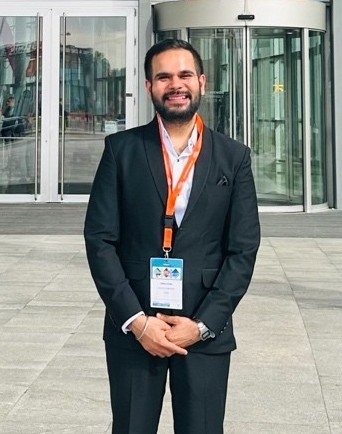 Communications Officer: Dr Vaibhav Bhatia is a Postdoctoral Research Fellow at University College Dublin, working on the SUPERTech project in collaboration with Teagasc, Ministry for Primary Industries, Manaaki Whenua – Landcare Research, and AgResearch New Zealand. Their research focuses on the risk assessment, quantification, and mitigation of microbial and chemical food safety risks, alongside promoting sustainable agriculture practices. They are skilled in Risk Analysis, HACCP, ISO 22000, Food Processing, and Food Technology, and are actively involved in research dissemination and collaborative international projects. (Email)
 Postgraduate Representative: Pádraig McDonagh is a PhD researcher at Atlantic Technological University, Donegal. His research focuses on the development of electroanalytical methods to monitor the photocatalytic reforming of biomass into value added chemicals. The project aims to develop low-cost electrochemical sensors capable of rapid in-situ monitoring. At a holistic systems level, such an approach presents an opportunity to develop a technology platform that can be coupled with the existing advantages of photocatalysis as a sustainable method to produce key platform chemicals. Pádraig’s educational background includes a BSc (Hons) in Pharmaceutical and Medicinal Chemistry and a MSc (Res) in Chemistry. His research interests include analytical chemistry, photocatalysis and bioenergy. (Email)
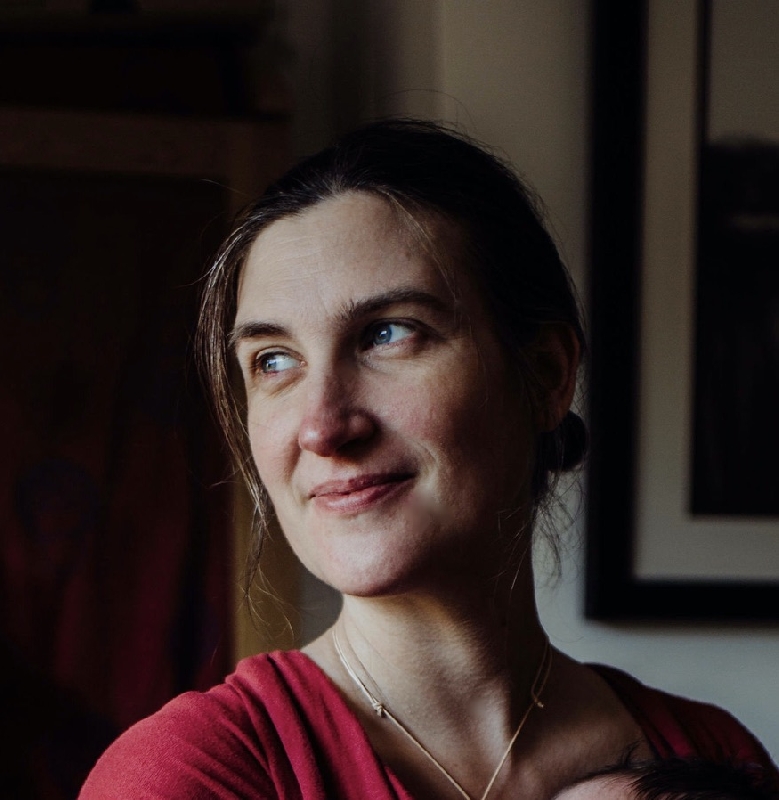 Postgraduate Representative: Nicola Watson is a PhD researcher, funded by the UK Department for the Economy, studying the motivations and barriers to cloth nappy use. Her research uses mixed methods to understand the beliefs, attitudes, norms, and controls influencing consumer decisions in the family context. An unusual route to studying Geography and Environmental Science, Nicola’s early academic career was in the Performing Arts with a BA (Hons) in Dance and Theatre from De Montfort University, a PGCE in Drama from Royal Central School of Speech and Drama, and 10 years teaching experience at secondary level. With young children, Nicola shifted focus to supporting parents to try cloth nappies, by helping to set up, and eventually chairing a nappy library charity. She has won the ESAI social engagement prize twice and has reached the Ulster University final of the 3 Minute Thesis (3MT) science communication competition (Email).
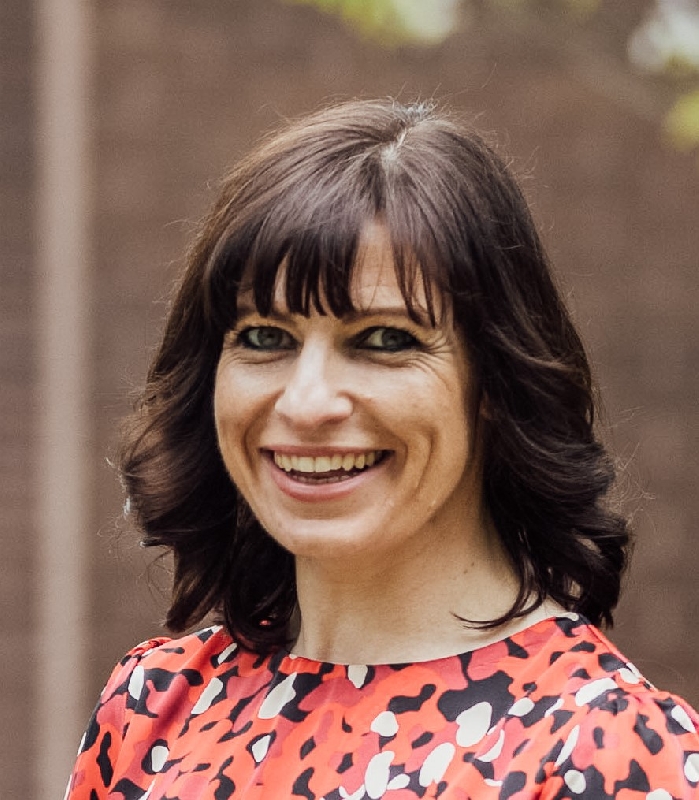 Environ 2027 Host: Dr Yvonne Ryan is an Associate Professor in Environmental Science at the University of Limerick. Her research centres on industrial ecology, circular economy, and sustainable resource management, with particular interest in WEEE, mercury in the built environment, and sustainability transitions. She is Principal Investigator on EPA and Research Ireland funded projects and has contributed to research on resource use, waste, and sustainable mobility. Yvonne has experience across research and practice, including roles in EU-funded projects and as Green-Campus Coordinator with An Taisce. She currently serves as an Irish Government nominee to the Scientific Committee reviewing the effectiveness of the Minamata Convention. Her research interests include industrial ecology, circular economy, environmental policy, and waste management.
Regular Members
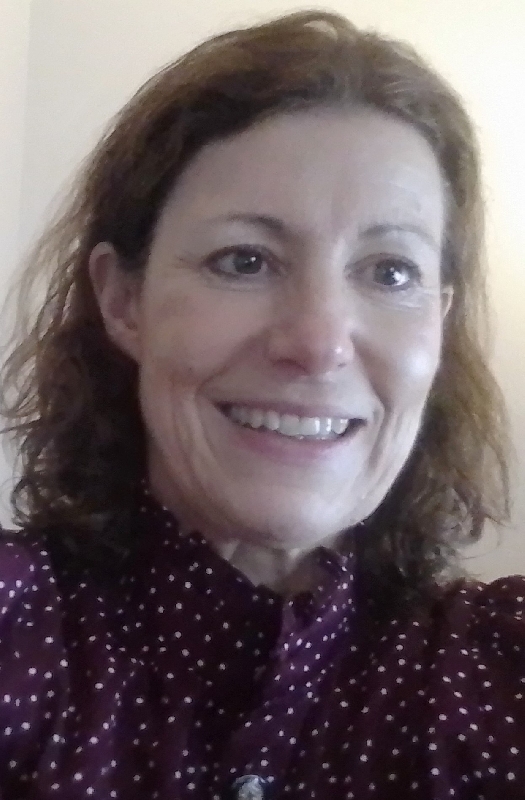 Dr. Dorothy Stewart works with the research team in the Environmental Protection Agency. Roles include managing EPA funded research projects and knowledge transfer work for greater impact ‘bridging the gap’ between Science and Policy informed by robust and credible evidence. She has a research background in political science, human geography, sociology, and sustainability with knowledge of Irish and EU governance, planning and development systems and strategies. Dorothy has a PhD sustainable land-use planning where she developed scenarios for the Greater Dublin Area providing plausible transition pathways for more sustainable land-use to address climate change. She previously worked in the Environmental Education Unit of An Taisce, the National Trust for Ireland. Dorothy contributed to the TCD 'Consensus’ research project on sustainable consumption in Ireland in partnership with the EPA.
Prof. Frances Lucy is Head of Department of Environmental Science at the Institute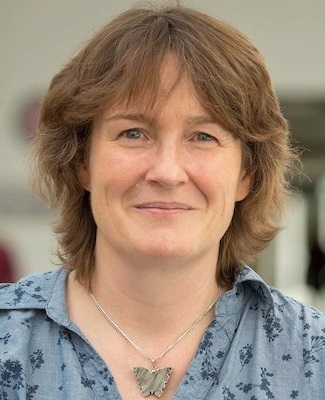 of Technology, Sligo. She is Director of CERIS, the Centre for Environmental Research Innovation and Sustainability. Her main research interests are aquatic invasive species, fisheries science and human waterborne pathogens. She is involved in a range of international invasive species forums in both Europe and North America. Frances is a Board member of Inland Fisheries Ireland. She served as ESAI Chairperson from 2016-2019.
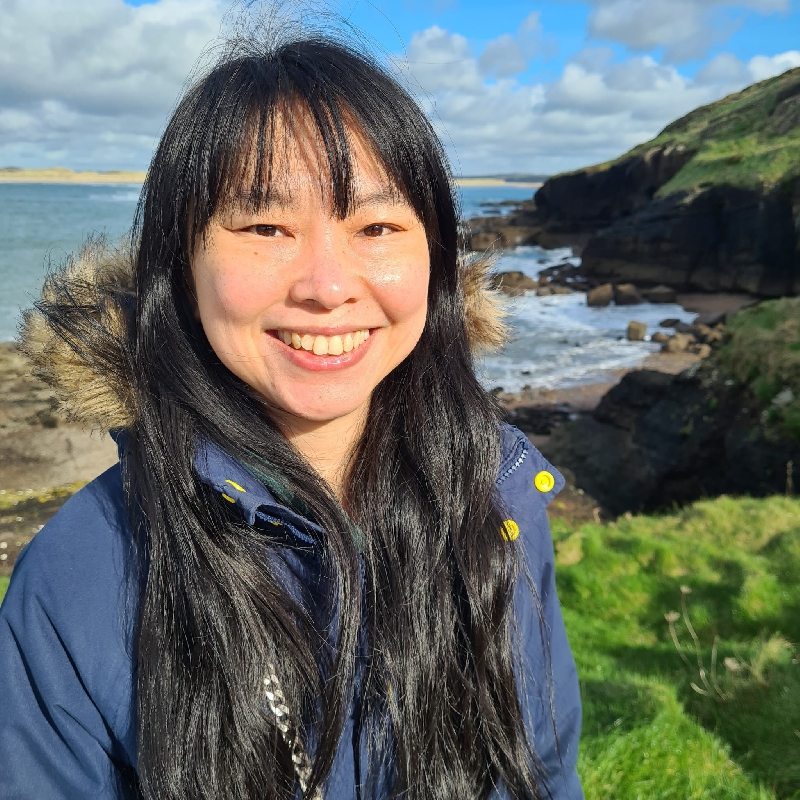 Dr Shiau Pin Tan (Graece) is a lecturer in Biopharmaceutical Science at SETU Waterford. She holds a PhD focusing on utilising antimicrobials from seaweeds in wound dressing applications. She has successfully obtained a commercialisation funding follow up to her PhD project and has numerous peer-reviewed publications in the field of natural product extractions and identification, and their potential use in high-value added applications. Her main interest lies in mining bioactives from natural sources and waste materials for various applications, including biopesticides and in medical devices. She is currently supervising a number of PhD students in natural product research at SETU Waterford.
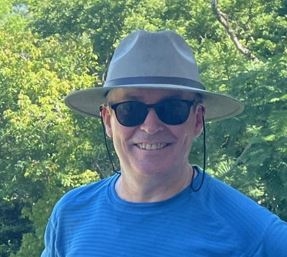 Dr Liam McCarton is a former chair of the Environmental Sciences Association of Ireland (ESAI) and a Director of Engineers Without Borders Ireland. Liam is a lecturer in the Technological University Dublin and leads the Development Technology in the Community (DTC) Research Group (https://www.dtcresearchgroup.ie/). Liam has co-authored several books around the topics of Resilience, Nature-Based Solutions and the Circular Economy of Water - , “A Technology Portfolio of Nature Based Solutions for Innovations in Water Management” , “The Worth of Water – Designing Climate Resilient Rainwater Harvesting Systems” and “Where There Is No Engineer – Designing for Community Resilience” (Email).
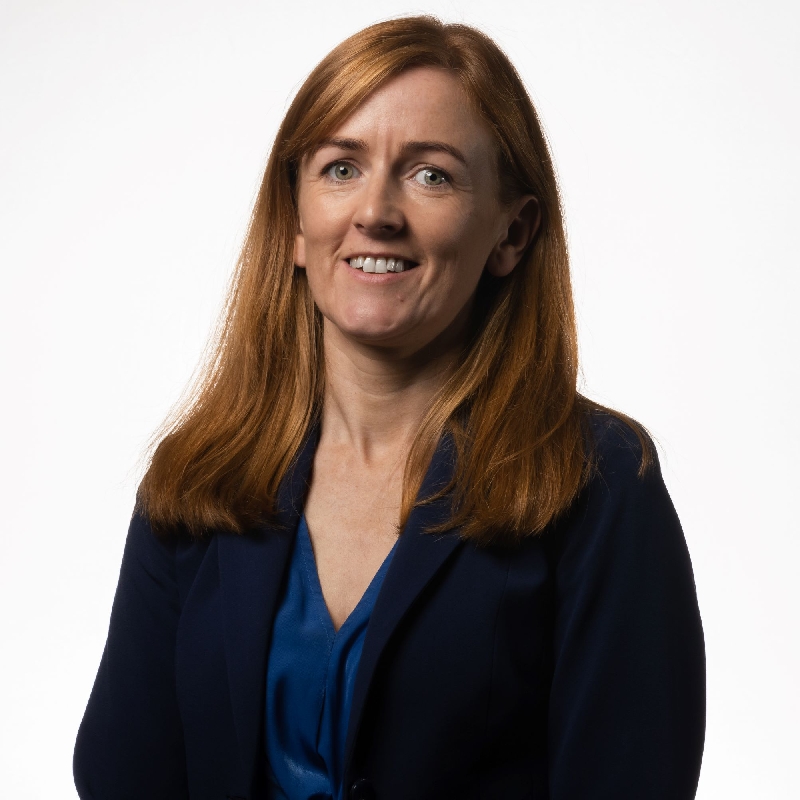 Dr Sarah Murnaghan is a Lecturer in environmental science in the Department of Agriculture, Food & Animal Health and the Department of Life and Health Sciences, School of Health and Science, Dundalk Institute of Technology (DkIT). Sarah is also a Principal Investigator in the Centre for Freshwater and Environmental Studies (CFES, DkIT). Her multidisciplinary research interests include environmental change, water resource management, lake and catchment management, water quality, climate change and eutrophication, environmental monitoring and assessment, catchment modelling, palaeolimnology/lake sediments, nutrient cycling in aquatic ecosystems, and environmental policy and legislation. She has previously worked on EPA-funded projects, including the EPA FP-7 ILLUMINATE and EPA FP-7 EFFECT research projects.
 Dr Sarpong Hammond Antwi is a postdoctoral researcher at Dundalk Institute of Technology (DkIT) in Ireland and a recipient of the prestigious Irish Research Council Fellowship. His research focuses on the intersection of water security, energy transition, and climate resilience, emphasising stakeholder engagement, policy analysis, and strategies for effective resource management. With a commitment to community-centred development, Sarpong integrates global insights with local needs to advance sustainable environmental solutions. He is currently analysing key actors and their relationships within the water sector in Ireland and is actively involved in two EU-funded projects: Energy Citizens for Inclusive Decarbonization (ENCLUDE), which promotes inclusive energy transitions, and Resilient River (ResiRiver), aimed at enhancing river system resilience through nature-based solutions. Through his work, Sarpong aims to bridge the gap between research, policy, and practice.
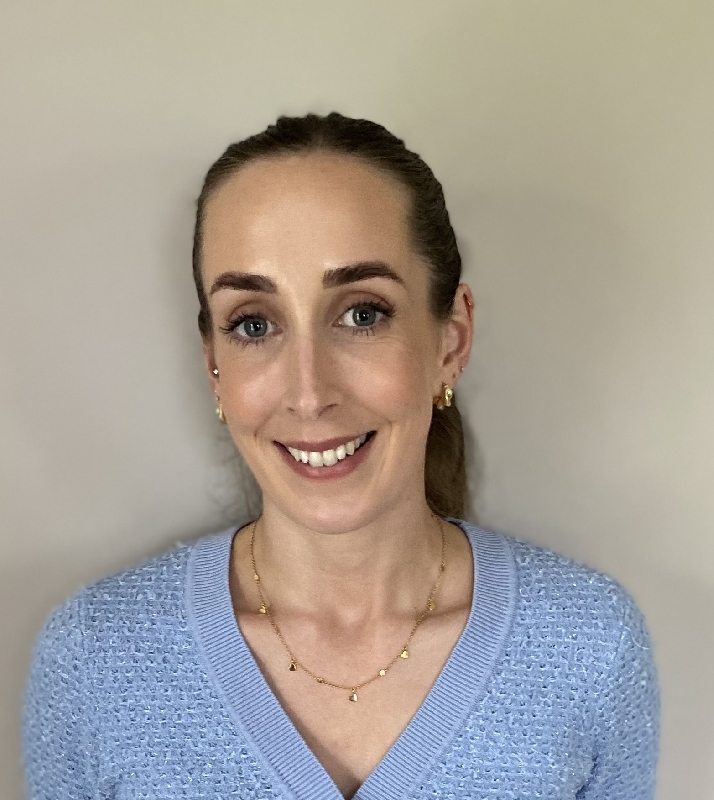 ESAI Coordinator & Conference Liaison: Dr Sara Meehan supports the governing body of the ESAI and co-ordinates the network. Other ongoing supports include administration, membership, finance, funding, marketing & communications. She plays a lead role in organising and co-ordinating the ESAI’s annual conference Environ. (Email)
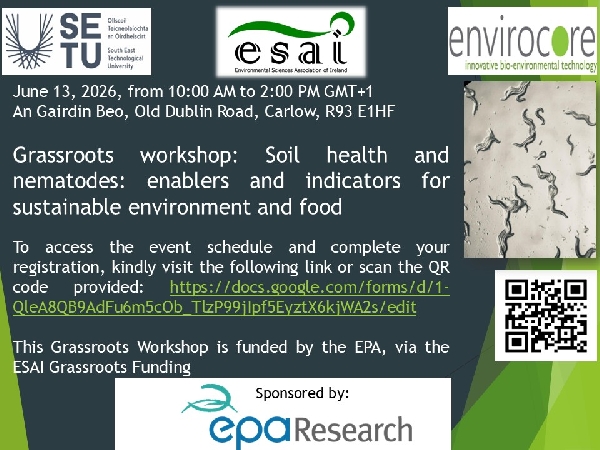
Soil health and nematodes: enabler and indicators for sustainable environment and food. ...
Read More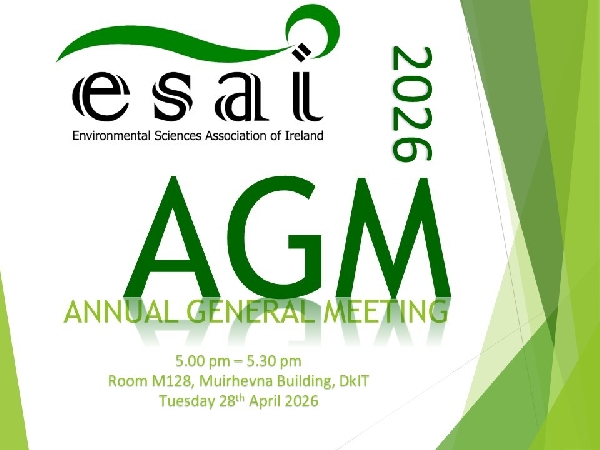
The AGM of the ESAI will be held during our annual conference Environ 2026 in Dundalk Institute of Technology Date: &n...
Read More